
Edo History
THE EDO PEOPLE: BRIEF HISTORY AND BACKGROUND
The Edo people comprise the Binis, Afemais, Esans, Owans, and Akoko Edos who are located in the Midwestern region of southern Nigeria, historically situated between the old Western and Eastern Regions. With an estimated population of 4 to 6 million, the Edo people possess a rich and enduring cultural heritage rooted in one of Africa’s most historically significant civilizations: the Benin Kingdom.
The history of the Benin Kingdom dates back to before the first millennium A.D., making it one of the oldest and most enduring indigenous African monarchies. At its height, the Kingdom evolved into a powerful empire, extending westward to Owo, Akure, and Lagos; eastward to Onitsha; and southward to the Niger Delta. In 1504, it became the first African kingdom to establish diplomatic relations with a European power—Portugal—demonstrating its early global engagement and sophistication.
The Kingdom is globally renowned for its advanced urban culture and extraordinary artistic achievements. Its iconic bronze, ivory, and wood sculptures—widely recognized for their craftsmanship and historical significance—are displayed in major museums and collections around the world, serving as enduring symbols of Edo ingenuity and identity. In recent history, the Kingdom reaffirmed its cultural continuity with the coronation of His Royal Majesty, Oba Ewuare II, in late 2016. As the 40th Oba of Benin, his ascension followed elaborate traditional rites spanning several weeks, reflecting centuries-old customs and the resilience of Edo heritage. However, Edo people across the global diaspora—particularly in the National Capital Region of the United States—are increasingly confronted with a sobering reality: their globally acclaimed cultural heritage, handed down to them by their ancestors and forefathers is at risk of gradual erosion. Many priceless Benin artifacts and cultural expressions are dispersed across international institutions, often removed from their original cultural context. Outside of Edo State, there is no dedicated, centralized space where Edo history can be authentically preserved, interpreted, and shared by its own people.
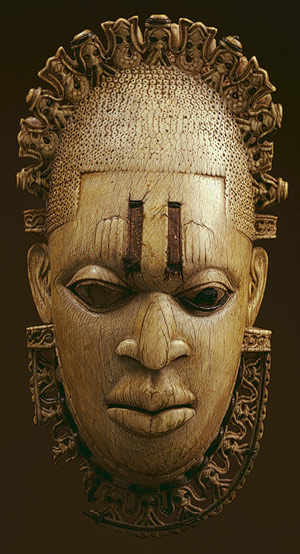
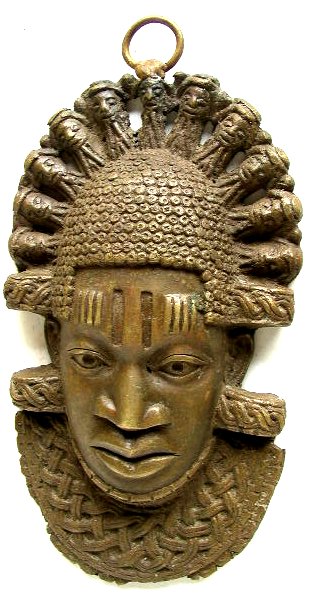
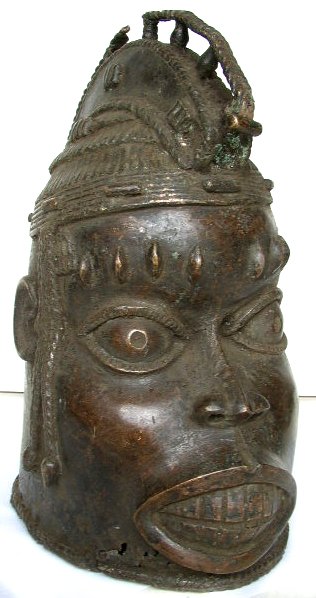
Recognizing this urgent need, Edo communities have reached a collective determination to safeguard and revitalize their cultural legacy through all lawful and sustainable means. Central to this vision is the establishment of a landmark institution—a world-class cultural facility in the Washington, DC metropolitan area (Washington, DC, Maryland and Virginia metropolitan area)—that will serve as a focal point for the preservation, education, promotion, and global dissemination of Edo culture and heritage.
This vision has given rise to the proposed Edo Cultural and Exhibition Center in the National Capital Region of the United States. The Center is envisioned as a cornerstone institution that will not only preserve Edo history and traditions but also elevate global awareness, foster cultural pride among future generations, and create a dynamic platform for cultural exchange, research, and community engagement.