About Us
The Genesis of EAWDC
In the 1980s, a small group of young Edo indigenes—mostly soccer players and enthusiasts in their twenties to mid-thirties—regularly gathered on summer weekends to play soccer and enjoy each other’s company. These informal meetups took place at the National Mall playgrounds in Washington, DC, as well as other locations across the DC and DMV area, often alongside other Nigerians, Africans, Caribbean, and Americans. This tradition has endured and continues to this day.
During one of these gatherings, a member of the group announced his upcoming wedding. Notably, his plans did not include significant involvement from his fellow Edolites (as the group affectionately called themselves). This realization prompted a moment of reflection among the group. Despite their camaraderie, they recognized that they were not as deeply engaged in one another’s lives as they had assumed. In this instance, they had not provided the communal support expected for someone they considered a brother, while non-Edo individuals were playing major roles in the wedding. Motivated by this insight, the group quickly came together to organize support for the couple, ultimately contributing to a more memorable and successful wedding celebration. The wedding, held on April 21, 1990, became a defining moment—the first of its kind among this group of Edolites.
At the wedding, the group reached a unanimous decision to formally unite and build a strong, cohesive community by bringing together Edo indigenes across the DMV region. This marked the conceptual birth of what would become the Edo Association of Washington, DC Metropolis (EAWDC). The founding vision was clear: to love and support one another, strengthen communal bonds, grow together as a community, and celebrate their shared identity. Additionally, they committed to promoting Edo cultural heritage, improving the welfare of Edo people, supporting the socio-economic development of Edo State in Nigeria, and contributing positively to their local communities in the United States.
Acting swiftly on this shared vision, the group held its first official meeting on Sunday, April 29, 1990—just one week after the wedding. The meeting took place at the high-rise apartment of Mr. Osa “Nash” Osunde and Mr. Omo Esemuede, located at 7513 Maple Avenue, Takoma Park, Maryland. This meeting marked the formal establishment of what is now known and called The Edo Association of Washington, DC Metropolis (EAWDC).
In the months that followed, efforts intensified to reach more Edo indigenes across the DMV area. A committee was established to draft the Association’s constitution, while an interim executive committee was elected to guide its early operations. These foundational steps culminated in the official inauguration of the EAWDC in October 1990, celebrated with an elaborate and well-attended banquet.
Membership
The membership of the Edo Association of Washington DC comprises accomplished professionals and entrepreneurs across diverse sectors, including medicine, engineering, pharmaceuticals, agriculture, security, education, and Information and Communication Technology (ICT). Members reside throughout the District of Columbia, the State of Maryland, and Northern Virginia, with additional long-distance members located in Pennsylvania, Delaware, and North Carolina.
What We Do
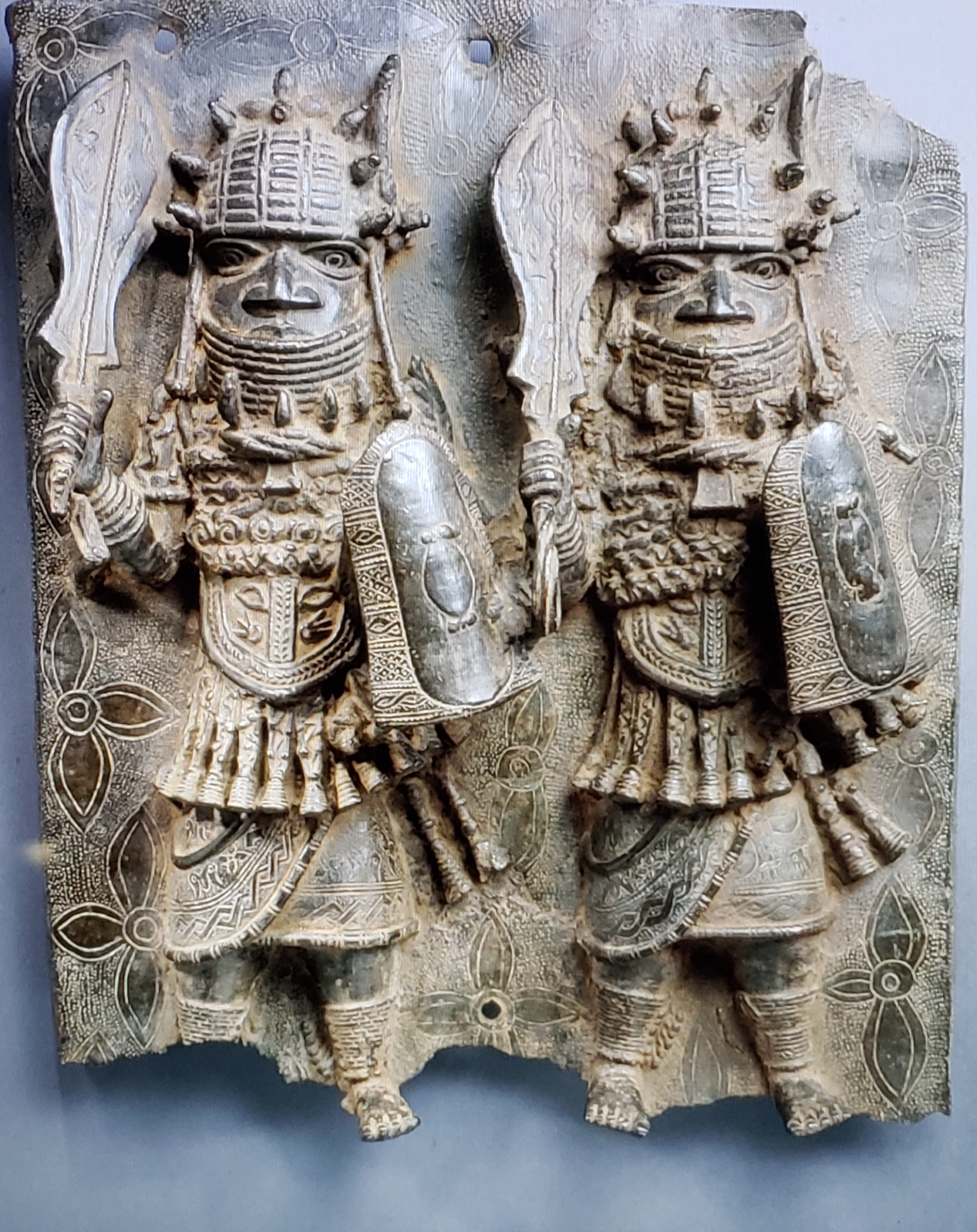
The Edo Association of Washington DC (EAWDC) is actively engaged in community outreach initiatives across the District of Columbia, the State of Maryland, Northern Virginia, and Edo State, Nigeria, with a strong focus on supporting vulnerable communities, orphanages, and schools. The Association also plays a key role in promoting Edo unity, culture, and heritage through its support for the annual Edo National Convention, which brings together Edo people from Edo State, Nigeria, North America, Europe, and other parts of the world. Notably, EAWDC successfully hosted the 2019 Edo National Convention in Washington, DC.
In addition, the Association is deeply committed to the welfare of its members by organizing condolence visits, celebrating important family and personal milestones such as anniversaries, and providing financial and moral support to members facing difficult circumstances.